Green tea is a treasure trove of valuable nutrients and health-enhancing properties. For thousands of years, it has been regarded as a remedy for the body, mind and spirit. People reach for it for many reasons. Some appreciate its stimulating qualities, its ability to speed up metabolism and support weight loss. Others value its positive effect on the digestive and immune systems, its abundance of vitamins, and its alkalising effect on the body. Increasingly, however, one particular question keeps coming up: does green tea have a calming effect? The answer is yes. Its soothing, relaxing properties are often overlooked, yet they offer another compelling reason to enjoy a cup of this aromatic infusion.
How Green Tea Calms the Mind and Body
Green tea certainly has stimulating properties, but — surprisingly — these go hand in hand with a calming effect. This is thanks to L-theanine, an amino acid found naturally in green tea leaves. It’s responsible for that state often described as “relaxed alertness”.
Role of L-Theanine in Relaxation
L-theanine increases alpha-wave activity in the brain, a pattern associated with relaxation combined with readiness to act. As a result, you can unwind without feeling drowsy. Clinical studies show that supplementing 200–400 mg of L-theanine daily can reduce stress and lower anxiety levels in people under significant mental strain. This effect was recognised over a thousand years ago by Chinese Taoists and Zen monks, who drank green tea during meditation. They found that it eased tension while keeping the mind clear and alert, improving concentration and helping them reach deep focus. Matcha was especially prized, as it contains up to four times more L-theanine than standard green tea.
Caffeine–Theanine Balance: Alert Yet Calm
Caffeine is typically associated with coffee and the jittery type of alertness it can bring. In green tea, however, its effects are balanced by L-theanine. Studies show that caffeine boosts alertness and focus at doses as low as 40 mg, while L-theanine counteracts the nervousness and tension that often accompany it. This makes green tea particularly useful during work, study, or any task requiring calm concentration without the “shaky” effect that coffee can produce.
Does L-Theanine Work the Same Way as Green Tea Extract or Brewed Tea?
L-theanine is a single amino acid, whereas brewed tea or green tea extract contain a mixture of compounds — catechins, caffeine and other bioactive substances. Although L-theanine supplements can offer similar stress-reducing benefits, the natural infusion provides a synergy of ingredients that work together, often delivering a gentler and more balanced effect.
Aromatic Polyphenols and Stress Relief
Green tea also contains a range of beneficial polyphenols, such as EGCG. Their direct influence on mood isn’t fully understood yet, but their antioxidant and anti-inflammatory properties may help the body cope with stress. Regular consumption of green tea supports oxidative balance, which in turn may improve overall wellbeing.
Matcha vs. Regular Green Tea – Which Is More Relaxing?
While both drinks offer a gentle lift and a sense of ease, they aren’t identical when it comes to how they affect the mind and body. Their calming potential depends largely on how they’re grown, processed and brewed — and these factors can make one noticeably more soothing than the other. Understanding these differences can help you choose the type of tea that best supports your daily rhythm, whether you’re seeking deep focus or a moment of quiet unwinding.
L-Theanine Concentration in Matcha
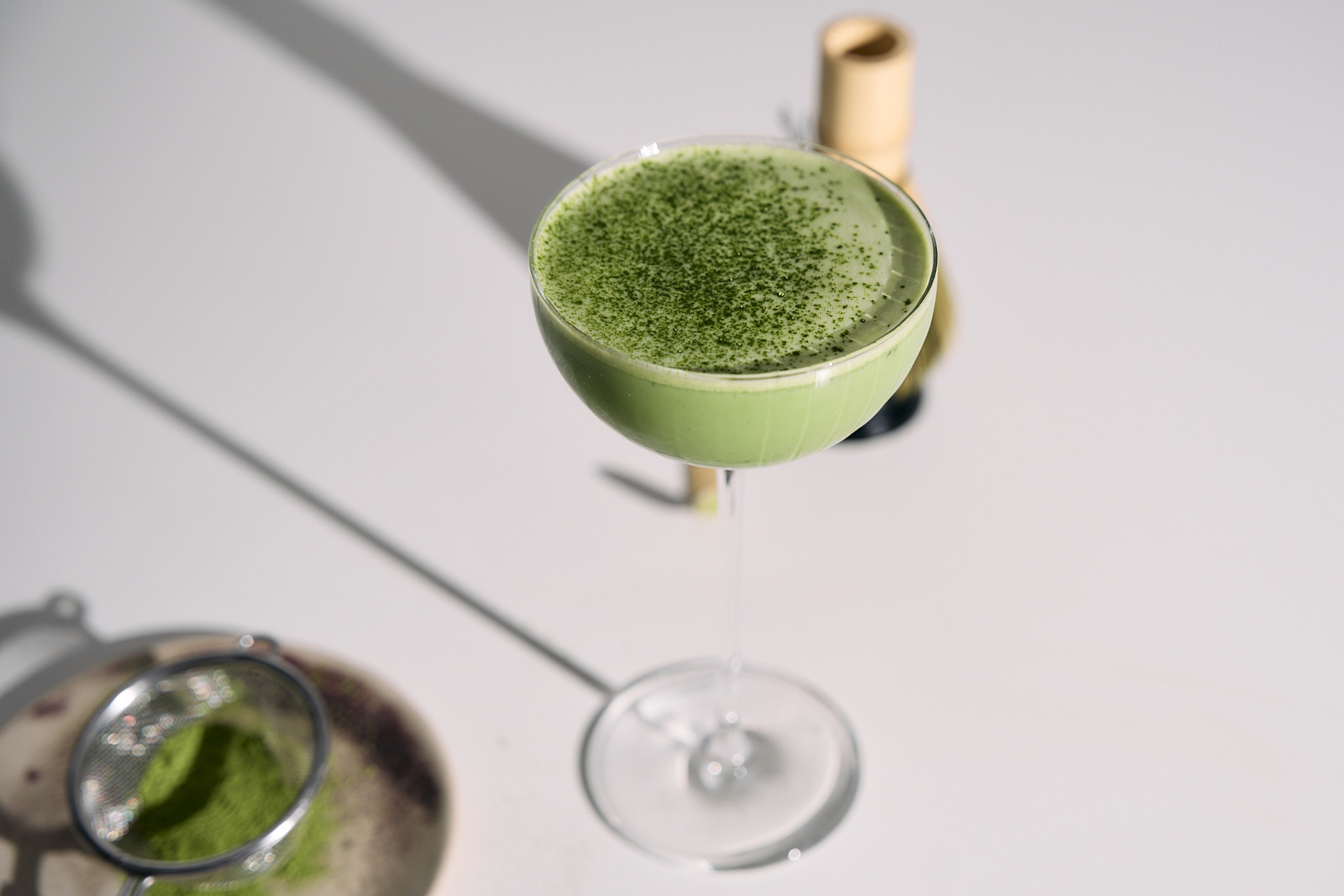
Matcha is a powdered form of green tea that contains three to four times more L-theanine than a regular leaf infusion. This is because tea bushes grown for matcha are shade-cultivated, which increases amino acid content. A single cup of matcha provides around 25–45 mg of L-theanine — enough to noticeably support stress reduction.
Calming Matcha Tea Preparation
The preparation of matcha can be just as soothing as drinking it. Whisking the powder with a bamboo chasen in a traditional bowl creates a moment of quiet focus, engaging the senses and offering a break from the rush of everyday life.
Traditional matcha preparation:
• Scoop two servings of matcha (approx. 1.5 g) into a bowl using a bamboo spoon (chashaku).
• Add 100 ml of hot water (no hotter than 80°C) and whisk vigorously with a chasen.
• Make quick, “M-shaped” movements until a thick froth forms (about 30 seconds).
• Add more water afterwards to adjust the strength to your liking.
Is Matcha Calming for Everyone?
Matcha does contain more caffeine than regular green tea. Those sensitive to caffeine should enjoy it in moderation — ideally in the morning — to benefit from its relaxing, focusing effect without disrupting sleep.
Brewing Techniques That Enhance the Calming Effect
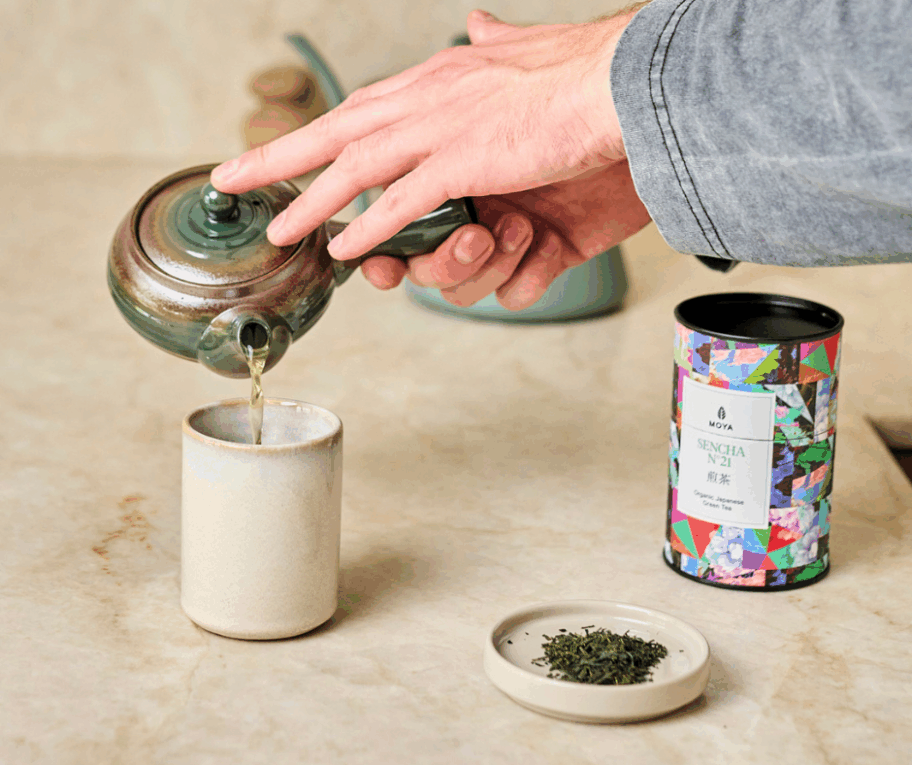
The secret to a perfect infusion lies in the details. The ideal brewing temperature for green tea is 70–80°C, with a steeping time of 2–3 minutes. Using hotter water releases more caffeine, which can make the tea bitter and lessen its soothing effect.
Cold-Brew vs. Hot Infusion for Relaxation
Cold brew is becoming increasingly popular — it’s made by steeping tea leaves in cold water for several hours. This method produces a milder flavour, contains less caffeine, and draws out more L-theanine, making it an excellent choice on warm days.
Here you could insert the link to the Kukicha Cold Brew recipe.
When and How Much Green Tea to Drink for Stress Relief
Green tea is an excellent choice for reducing stress, improving mood, and supporting concentration. The best time to drink it is in the first half of the day, due to its moderate caffeine content, which provides a gentle lift without causing the restlessness often associated with coffee. A morning or late-morning cup can help you start the day feeling more centred and focused.
Does Green Tea Help with Sleep?
Green tea can support relaxation thanks to L-theanine, which softens the effect of caffeine and improves focus without overstimulation. However, it’s best to drink it at least three hours before bedtime, as the remaining caffeine may interfere with falling asleep.
If you enjoy an evening tea ritual, opt for:
• low-caffeine teas (such as hojicha or kukicha),
• cold brew, which naturally contains less caffeine while still providing calming L-theanine.
Safe Daily Intake – and Who Should Limit Caffeine?
A sensible daily amount is 2–3 cups, or about 400–600 ml. This provides roughly 60–90 mg of L-theanine — a level shown in studies to effectively reduce stress and improve focus.
Those particularly sensitive to caffeine — including pregnant women, people with cardiovascular issues, or those suffering from insomnia — should reduce their intake or choose gentler varieties.
Who Should Limit Caffeine Intake?
People who are particularly sensitive to caffeine, pregnant women, those with cardiovascular problems, or those suffering from insomnia should limit their tea intake or opt for milder varieties.