The human body can be described as a complex piece of machinery, vulnerable to a range of factors that may disrupt its balance. One example of such disruption is bodily acidification. This state can lead to a variety of troublesome symptoms, including constant fatigue, irritability, digestive issues, difficulty concentrating, and trouble losing excess weight. The most common causes include stress and an improper diet – factors that are increasingly hard to avoid nowadays. To counteract acidification, it’s worth incorporating foods with alkalising properties into your daily diet. Green tea is one such product. The topic of green tea and deacidification has been gaining growing attention in the field of preventive health.
What is acidification of the body?
It’s useful to begin by explaining what acidification actually is. Put simply, it’s a disturbance in the body’s natural acid–base balance. This imbalance occurs when the body’s pH (a measure based on hydrogen ion activity) drops below the optimal range, making it more acidic than it should be.
Factors that contribute to acidification include:
- an improper diet rich in fried and grilled foods,
- excessive intake of meat, dairy, alcohol, and coffee,
- stress and insufficient rest.
Acidification and the love towards coffee
Coffee is one of the factors that may contribute to acidification. It has a strongly acidic profile and can significantly influence this process. With the hectic pace of modern life, it’s difficult to function without something that provides an energy boost and helps with focus. Green tea offers a compelling alternative.
Is green tea acidic or alkaline?
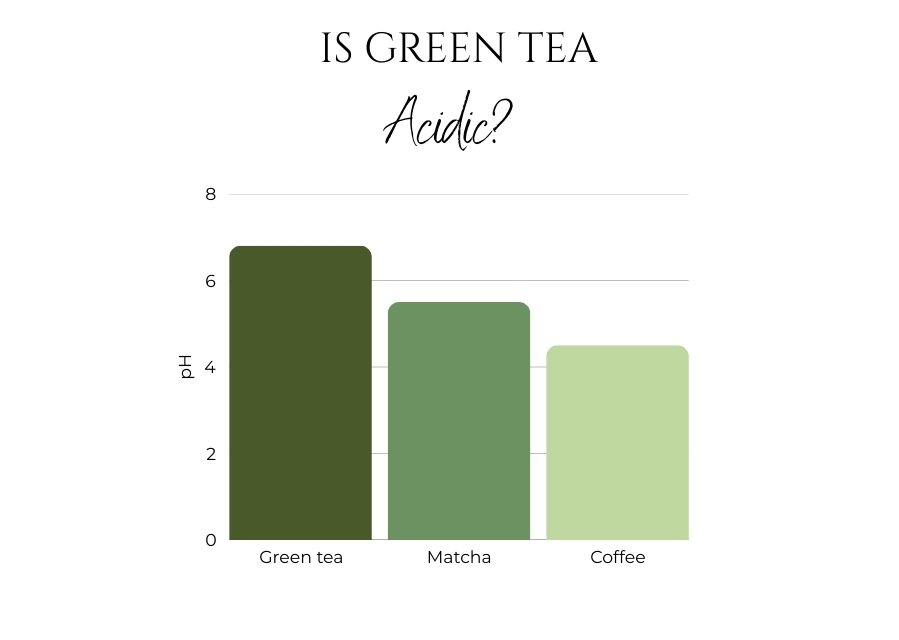
Green tea has an alkalising (basic) effect, making it an excellent aid in reducing acidity in the body. A more alkaline pH helps neutralise excessive acidity and restore the body’s desired acid–base balance. In the context of wellbeing, the link between green tea and deacidification is becoming increasingly well recognised.
Green tea, coffee and your stomach
For most people, green tea is gentler on the stomach than coffee. Very strong brews or drinking it on an empty stomach may, however, cause slight irritation in sensitive individuals.
Can green tea help with acid feflux?
Yes – for many people, green tea soothes reflux symptoms more effectively than coffee. It’s best to avoid drinking it very strong or on an empty stomach. Matcha, with its lower acidity and slower caffeine release, is particularly suitable for those prone to hyperacidity or reflux.
Research on L-Theanine and gastric acid
Green tea, especially in matcha form, is not only a source of caffeine but also of L-theanine – an amino acid that promotes calmness and supports concentration. Although some worry that tea may irritate the stomach or trigger heartburn, moderate consumption should not increase gastric acid production. Unlike coffee, which can stimulate acid secretion and cause discomfort in some people, green tea acts far more gently. The L-theanine it contains helps counterbalance the effects of caffeine – its calming properties reduce tension, which often contributes to digestive issues. Those who are particularly sensitive should avoid very strong brews and drink tea after meals rather than on an empty stomach. For most, a cup of matcha offers a moment of calm – a subtle lift without the side effects sometimes associated with coffee.
How to make your morning cup more alkaline
To ensure your drink has more alkalising properties:
- add a little honey or plant-based milk for a gentler effect.
- brew the leaves for a shorter time (1–2 minutes at around 70°C),
- use water with a neutral pH,
How to deacidify your body with Green tea
Drinking green tea may help restore the body’s acid–base balance. Its antioxidants and minerals support cleansing processes and help counter the effects of excessive acidity. Regular consumption can also aid digestion, boost metabolism, and strengthen the immune system.
Daily intake & safety limits
Pairing green tea with alkalising foods
Green tea pairs well with foods that have alkalising effects, helping support the restoration of the body’s pH balance. It’s ideal alongside leafy greens (such as spinach, kale, lettuce), cucumbers, avocados, or almonds. It also goes well with light meals based on millet, quinoa, or tofu.
Try to avoid drinking it together with highly processed foods or meals rich in animal protein, as these can reduce its alkalising effects and hinder the absorption of certain minerals.
Which tea should you choose?
The most strongly alkalising variety of green tea is kukicha – a type made not from leaves but from the stems and twigs of the tea plant.
Green teas are also known for their stimulating qualities due to their high theine content – the form of caffeine found in tea leaves. This makes them a great alternative to coffee, even for those looking for a similar boost in focus and alertness. In such cases, sencha is the best choice. It is the most popular variety of green tea and contains the highest level of stimulating theine.
Acidification is a problem that’s increasingly difficult to avoid given modern lifestyle and eating habits. Fortunately, addressing it doesn’t require dramatic sacrifices – sometimes all it takes is a daily cup of delicious green tea.