How much green tea is actually safe to drink per day? For years, green tea intake was described simply in cups per day, but recent research stresses the importance of total EGCG and caffeine content. What really matters is how much EGCG and caffeine you get in total – and that depends on the form of tea, brewing strength, your body, and how often you drink it.
Green tea gives you a mix of plant antioxidants (including EGCG) and caffeine. At moderate intakes, this pattern is linked with health benefits in many studies, but very high doses – especially from concentrated products – can stress the liver in some people.
How much green tea can most healthy adults safely consume per day?
For most healthy adults, 2–5 cups of brewed green tea a day is a sensible, easy-to-handle range. This is easiest to keep track of with traditionally brewed loose-leaf green tea or good-quality tea bags, where the strength is relatively consistent. The number of cups is still just an estimate. European safety reviews provide guidance in milligrams of EGCG per day rather than in cup numbers, advising that intakes up to around 300 mg/day from brewed tea are generally considered safe(1). Liver enzyme elevations have been observed in some studies at daily EGCG intakes around 600–900 mg from extracts(2). Brew your tea very strong, or drink several large mugs, and you can get much more EGCG and caffeine than you think, even if the number of cups seems “normal.”
Like coffee, brewing strength matters. Steeping time, leaf quality, water temperature and cup size all change how much EGCG and caffeine end up in your mug. People also differ: some tolerate higher doses very well, while others feel unwell at relatively modest intakes. Factors such as liver health, medications and overall caffeine sensitivity can make the same amount “fine” for one person and “too much” for another.
How Much Green Tea Can You Drink Per Day Without Increasing Liver Risk?
In clinical trials that informed European guidance, daily EGCG intakes around 800 mg from supplements were associated with increases in liver enzymes in some participants, while lower supplemental doses did not show clear signals of liver injury in the available data(1). At the same time, a few documented cases of liver problems have occurred at lower daily doses from specific products, which suggests that individual sensitivity and product quality also matter.
Liver injury has been reported most often with green tea extract capsules and tablets, but there are also case reports involving people who mainly drank brewed tea. These events appear to be rare compared with the huge number of people who drink green tea, yet they show that “only supplements are risky” is not entirely accurate(3).
Should long-term high green tea consumers monitor liver markers?
People who drink one or two average-strength cups a day generally don’t need routine liver tests. If, however, you drink very large volumes, brew your tea very strong, use matcha several times a day, or combine tea with green tea extract supplements, it is reasonable to discuss periodic liver tests with a healthcare professional. In research studies where people take high-dose catechin or green tea extract supplements, doctors usually monitor liver enzymes such as ALT and stop the product if levels rise too much. This approach can also be useful for heavy users of green tea products who want to stay on the safe side(11).
Watch for these possible warning signs of liver stress or hepatitis and seek medical advice quickly if they appear, especially if you use green tea extract:
- Persistent unusual tiredness
- Nausea or loss of appetite
- Pain or discomfort in the upper right side of the abdomen
- Dark urine
- Yellowing of the skin or eyes (jaundice)
If these occur, it’s safest to stop herbal supplements, including green tea extract, and get blood tests to check liver function.u’re a high-volume consumer. Track your total intake and remember that “natural” does not always mean safe at any dose.
How much EGCG do you actually get from brewed green tea per day?
Most people who drink about 2–4 cups of green tea a day probably get roughly 100–400 mg of EGCG, but this can vary quite a lot by brand, leaf type and brewing method. Estimates from European safety assessments suggest that many adults fall somewhere in the range of around 90–300 mg EGCG per day from tea alone, while heavy users who combine strong brewed tea with supplements can reach considerably higher totals(1). EGCG content varies widely even among people who drink the same number of cups, depending on brewing strength and tea type. That variability matters when you want to stay comfortably below the ranges linked with a higher chance of liver enzyme changes in studies.
How much EGCG is safe per day?
A typical 250 mL (about 8 oz) cup of green tea usually provides around 50–100 mg of EGCG plus 30–40 mg of caffeine, but real values vary a lot between brands and brewing methods, which is why product quality and testing matter(1). European safety assessments link daily intakes above roughly 800 mg EGCG from green tea extracts with a higher risk of liver enzyme elevations. In the EU, green tea extracts containing EGCG are now subject to harmonized legal restrictions: a daily portion of food must provide less than 800 mg of EGCG and carry specific warning statements. In practice, people drinking standard-strength green tea would usually need many cups to approach 800 mg of EGCG in a day, although very strong high‑EGCG teas, matcha drinks and supplements combined can reach that range more quickly(10). In the EU these limits are written into law for extracts, while in the US, green tea catechins are generally recognized as safe (GRAS) when consumed in typical food amounts, though supplemental use is evaluated separately(9).
How Does the Form of Green Tea Change How Much You Can Safely Consume?
The form of green tea you choose strongly affects how much EGCG and caffeine you get per serving. A standard tea bag brewed briefly in a small cup will usually give you much less than a large mug of strong loose-leaf tea, a café-style matcha latte, or a capsule of concentrated extract(4). For many people, 2–4 cups of normal-strength brewed green tea per day sits comfortably in a moderate, well-tolerated range. In contrast, drinking several large matcha drinks, or adding green tea extract supplements on top of your usual tea, can push your daily intake towards levels where studies have observed more liver-related side effects.
Is Matcha Safer or Riskier Than Brewed Green Tea?
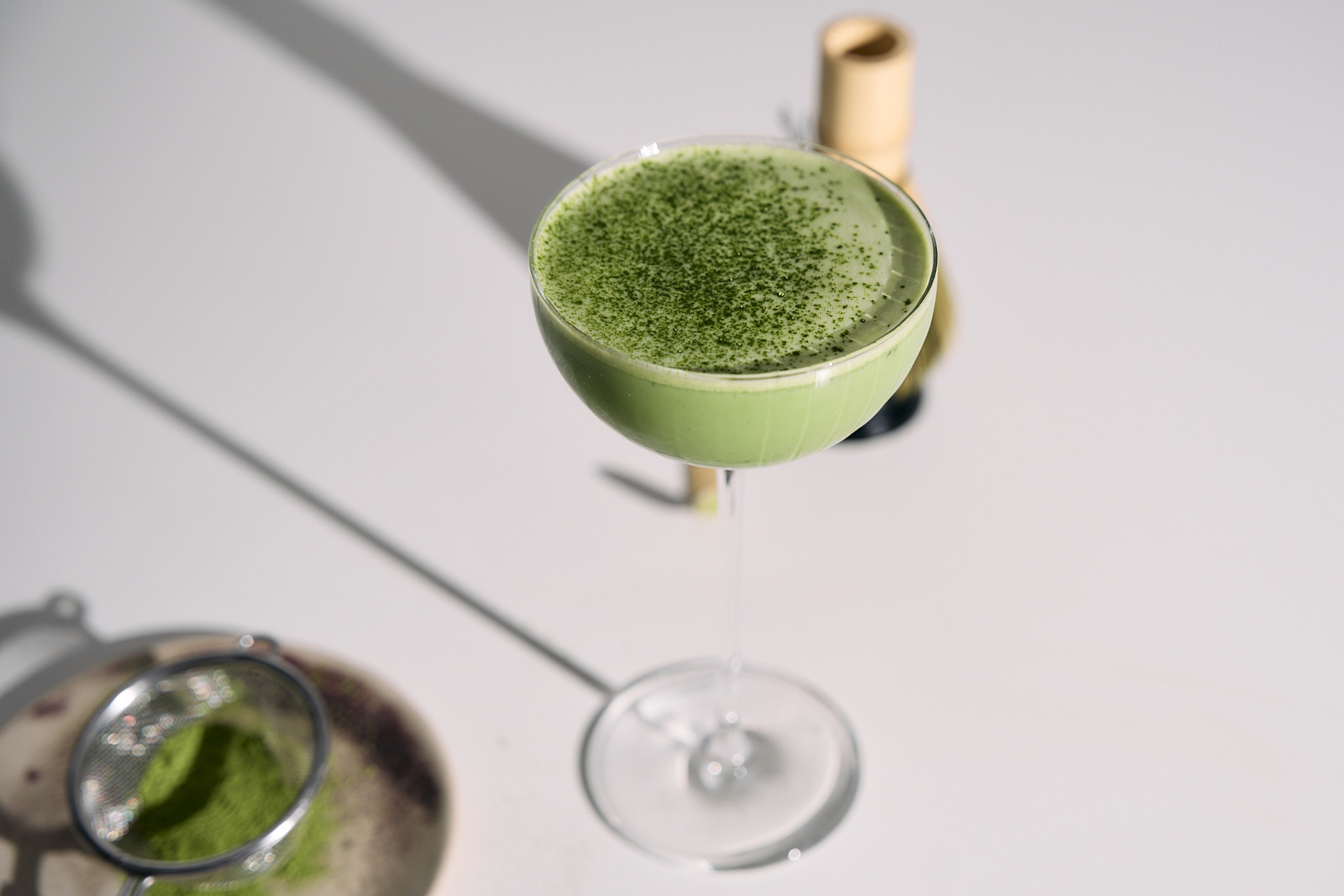
Matcha is not “unsafe,” but it is more concentrated than regular brewed green tea. Because you drink the powdered leaf, a standard 1–2 gram serving of matcha can provide EGCG amounts that equal or exceed several cups of ordinary tea, depending on the product(5). Most healthy adults tolerate one or two matcha drinks per day, especially when consumed with food. The main concerns appear when people drink matcha several times a day, use very large portions, or combine it with catechin-rich supplements. In those situations, total EGCG intake can rise quickly into ranges where some people may notice digestive discomfort or changes in liver tests.
Which Green Tea Form Is Safest for Daily Consumption?
- Regular brewed green tea (loose leaf or tea bags) – standard brewed green tea is a good daily choice for most people. It provides moderate amounts of EGCG and caffeine, and the volume of liquid naturally limits how much you consume. Two to four cups a day fits well within the levels that large populations have consumed for years without obvious safety problems.
- Genmaicha and lower-catechin tea – such as genmaicha (green tea blended with roasted rice) usually contain less catechin per cup, which can be helpful if you are sensitive or like to drink many cups throughout the day(7). These milder teas are often easier on the stomach and make it simpler to keep your total EGCG intake moderate.
- Matcha and green tea extract (use thoughtfully) – can be part of a daily routine if you keep portions moderate (for example, one serving once or twice a day), avoid stacking it with high-dose green tea extracts and prefer drinking it with or after food. Green tea extract supplements are the most concentrated form and should be treated like any other active supplement: choose reputable brands, follow the label, avoid very high doses and stop use if you develop symptoms that suggest liver or digestive problems(8).
Is It Safe to Drink Green Tea on an Empty Stomach or While Fasting?
Many healthy adults can tolerate one mild cup of green tea on an empty stomach, but it is more likely to trigger discomfort than tea taken with food. Tannins and caffeine can irritate the stomach lining and may cause nausea, acid reflux or a feeling of queasiness when there is no food to buffer them. There is also some evidence that fasting can increase the amount of EGCG that reaches the bloodstream from supplements and strong teas(1). For people with liver problems, those using concentrated extracts, or those who are very sensitive, it is usually safer to drink green tea with or after meals rather than on a completely empty stomach.
How Does Fasting Change EGCG Absorption and Risk?
Eating acts like a natural “brake” on EGCG absorption. When you drink green tea with food, the catechins are absorbed more slowly and may partially bind to components in the meal, leading to a lower and more gradual rise in blood levels. This tends to be gentler both on the stomach and on the liver. When strong green tea or EGCG supplements are taken while fasting, blood levels can rise more sharply, exposing the liver to a higher concentration at once. Some experts think that these peaks may contribute to rare cases of liver injury in susceptible individuals, especially when high doses are taken regularly without food(6).
Why Matcha on an Empty Stomach Can Increase EGCG Exposure?
Matcha is different from regular brewed tea because you consume the whole ground leaf, not just an infusion. This means each serving usually contains more EGCG and caffeine than a similar volume of standard green tea. Depending on the grade and amount of powder, one serving can easily deliver a noticeable dose of catechins. Drinking matcha on an empty stomach can, as a result, increase EGCG absorption and stimulate stomach acid more strongly. People with acid reflux, gastritis, irritable bowel syndrome or a very sensitive stomach often find that they tolerate matcha much better when they drink it with food and limit themselves to modest portions(4).
What Safety Signals Should You Look for When Buying Matcha or Tea?
When choosing matcha or green tea products, a few simple checks can improve both safety and quality:
- Prefer brands that share information on origin and testing for contaminants such as pesticides or heavy metals.
- For matcha, look for clear indication of grade and origin, and avoid products with unclear blends if you want more predictable composition.
- For green tea extract supplements, check how much EGCG you get per capsule and per day, and be cautious with products that deliver very high doses in one go.
Readable labels, transparent ingredient lists and realistic health claims are all good signs that a brand takes safety and quality seriously.
Conclusion
The safest approach is to enjoy green tea as a regular beverage rather than as a concentrated supplement. For most healthy adults, 2–5 cups of traditionally brewed green tea a day is a comfortable range that fits well within what has been consumed in many cultures for generations.
What matters more than cup count alone is your total intake of EGCG and caffeine and the form you choose – regular brewed tea, matcha or concentrated extract. Choosing well-sourced products, drinking tea with food if you are sensitive, and avoiding very high doses or aggressive stacking of different forms will help you enjoy the benefits of green tea with a wide margin of safety.
- "Green tea extract-associated acute liver injury: Case report and review". Clin Liver Dis (Hoboken). 2022 Dec 12;20(6):181-187,, https://pmc.ncbi.nlm.nih.gov/articles/PMC9745259/
- "The safety of green tea and green tea extract consumption in adults – Results of a systematic review", Regulatory Toxicology and Pharmacology, Volume 95, 2018, Pages 412-433,, https://www.sciencedirect.com/science/article/pii/S0273230018300928
- "LiverTox: Clinical and Research Information on Drug-Induced Liver Injury", Bethesda (MD): National Institute of Diabetes and Digestive and Kidney Diseases; 2012-. Green Tea. [Updated 2020 Nov 20],, https://www.ncbi.nlm.nih.gov/books/NBK547925/
- "Catechin Composition, Phenolic Content, and Antioxidant Properties of Commercially-Available Bagged, Gunpowder, and Matcha Green Teas", Plant Foods Hum Nutr. 2023 Dec;78(4):662-669,, https://pmc.ncbi.nlm.nih.gov/articles/PMC10665233/
- "The Comparison of Epigallocatechin Gallate Levels in Matcha Powders in Ceremonial, Premium and Culinary Grade by HPLC Method", Ravinda Landau,, https://postgrads.mfu.ac.th/wp-content/uploads/2025/07/6652003252.pdf
- "Liver-related safety assessment of green tea extracts in humans: a systematic review of randomized controlled trials", Eur J Clin Nutr 70, 1221–1229, https://www.nature.com/articles/ejcn201678
- Analyzing Japanese Tea Nutrition Data, https://www.myjapanesegreentea.com/analyzing-japanese-tea-nutrition-data
- "The safety of green tea catechins- first draft statement", TOX/2022/51, , https://cot.food.gov.uk/The%20safety%20of%20green%20tea%20catechins-%20first%20draft%20statement
- "European Commission restricts the use of green tea extracts", https://www.merieuxnutrisciences.com/european-commission-restricts-the-use-of-green-tea-extracts/
- "Effect of Green Tea Supplements on Liver Enzyme Elevation: Results from a Randomized Intervention Study in the United States", Cancer Prev Res (Phila). 2017 Oct;10(10):571-579, https://pmc.ncbi.nlm.nih.gov/articles/PMC9257888/